
Stamp Misuse on the Rise: How to Protect Yourself
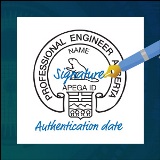
Since late 2025, APEGA has noted an increase in reports of misuse—and in some cases, fraudulent use—of licensed professionals’ stamps on work they have not taken professional responsibility for. This puts Albertans at risk. APEGA has gone from one or fewer reports per year to seven reports in 2026 so far. Other engineering and geoscience regulators have also noted an increase in reports of stamp misuse in their jurisdictions.
In Alberta, anyone who misuses stamps contravenes the Engineering and Geoscience Professions Act. This includes anyone who is unlicensed, licensed professionals’ coworkers, or people pretending to be licensed professionals. They can be subject to investigations and court actions, which could result in injunctions or contempt of court charges.
In the case of stamp misuse, self-regulation and duty to report means reporting it to APEGA immediately and proactively protecting your stamp and identity.
If you think you have been a victim of stamp misuse or fraud, please contact APEGA at [email protected] immediately.
How to prevent misuse of your stamp
Secure your stamp and credentials. Keep your physical stamp in a secure place. Do not share the login information for your digital certificate and APEGA digital signature. If you are thinking of using an APEGA digital signature, learn more about how to get started.
Search yourself online. Proactively search your name for people using your identity—especially in online marketplace sites, such as Fiverr, Upwork, or Guru—and report them to APEGA immediately.
Be clear. When starting a new project, especially with new clients, clearly state that any work you have authenticated must not be changed or modified in any way without your review and re-authentication. If necessary, ensure this guidance is captured in the official project plan.
Sign your work. Although you may authorize, in writing and as part of your company’s policies, an individual to apply your physical or electronic stamp (printed or stamped in black ink only), you must personally sign and date the work as the final step in authentication. With physical work, this means signing across your stamp and dating the work, both in ink. With digital work, this means applying your APEGA digital signature, which also captures the date of application as part of the metadata.
Refer to Appendix 2 of the Authenticating Professional Work Products practice standard for examples of proper authentication.
Identify copies. Clearly identify and keep track of any copies of authenticated work that you provide to clients, employees, or contract licensed professionals. For example, put "copy" in a prominent place on scanned or photocopied work and use "digitally signed" on electronic work.
For further guidance on how to work with copies, refer to sections 5.3 and 5.4.3 of the Authenticating Professional Work Products practice standard.
Further Resources
For more information about authentication and proper stamp use, refer to the following publications:
- Section 3(2) of the EGP Act
- Appendix 2 of the Authentication Professional Work Products practice standard
- Section 5.3 and 5.4.3 of the Authenticating Professional Work Products practice standard
- Relying on the Work of Others and Outsourcing practice standard
Read more about stamp misuse across Canada:
- Engineers Canada: Campaign is Raising Awareness of Engineering Fraud
- Professional Engineers Ontario: Toronto firm fined $5,000 for unauthorized use of professional engineer's seal
- Engineers PEI: Fraudulent Use of an Engineer's Stamp